
As a new parent, every cry feels like a stressful puzzle… is my baby hungry, tired, or just needing a diaper As a new parent, every cry can feel like a stressful puzzle—are they hungry, tired, or just needing a quick change? The truth is, every parent has stood exactly where you are now, trying to understand what their newborn is trying to say.
In this blog, we’ll walk through:
- The different types of newborn cries and what they often mean
- Helpful, practical soothing techniques
- Tips to stay calm when the noise feels overwhelming
The Language of Newborn Cries: What Are They Trying to Tell Us

Newborns communicate through sound, movement, and instinctive cues. Once you start paying attention, you’ll notice that not every cry is the same.
“I’m Hungry”
A hunger cry is typically low‑pitched, rhythmic, and repetitive—often described as a “wah, wah, wah.” Babies may also show:
- Rooting
- Lip‑smacking or sucking motions
- Hands moving toward the mouth
- Turning their head side to side
Some babies make a sound like “neh,” created when the tongue reaches the roof of the mouth which is an early indicator of hunger.
It’s best to respond quickly to hunger cues before they escalate.
“I’m Sleepy”
A tired cry often sounds like “owh,” formed by a yawn followed by an exhale. You may also notice droopy eyes, fussiness, or rubbing of the face.
“I’m in Pain”
A pain cry is hard to miss sharp, high‑pitched, and sometimes sudden. Babies may hold their breath between cries or look visibly distressed. Continuous or unusual crying should be taken seriously.
“I’m Overstimulated”
This cry can sound similar to a tired cry but tends to be more intense or choppy. Too much noise, movement, or visual stimulation can overwhelm a newborn.
Other signs include:
- Turning their head away
- Flailing arms or legs
- Avoiding eye contact
- Batting at objects
To soothe overstimulation:
- Step into a quieter space
- Dim the lights
- Rock gently
- Shush softly
- Sing in a calm, steady tone
“I’m Gassy”
Gas discomfort often leads to grunty or strained cries. Babies may pull their knees toward their chest or arch their back.
Tips for Calming a Crying Newborn

Once you have an idea of what your baby needs, you can begin responding intentionally.
Skin‑to‑Skin Contact
The warmth and smell of a parent’s chest is instantly soothing and grounding.
Shushing Sounds
A steady “shh” mimics the sound environment of the womb.
Gentle Rocking or Swinging
Soft, rhythmic movement can help babies settle. Always support their head and neck.
Pacifiers
For babies who find comfort in sucking, a pacifier can be helpful—best introduced once breastfeeding is firmly established.
Changing the Environment
A walk outside, dimmed lights, or a quieter space can make a big difference.
Singing or Humming
Your voice is familiar and reassuring. Even a simple tune can help your baby settle.
Remember—every baby is different. It may take time, gentle experimenting, and patience to find what works best.
Caring for Yourself While Caring for Baby
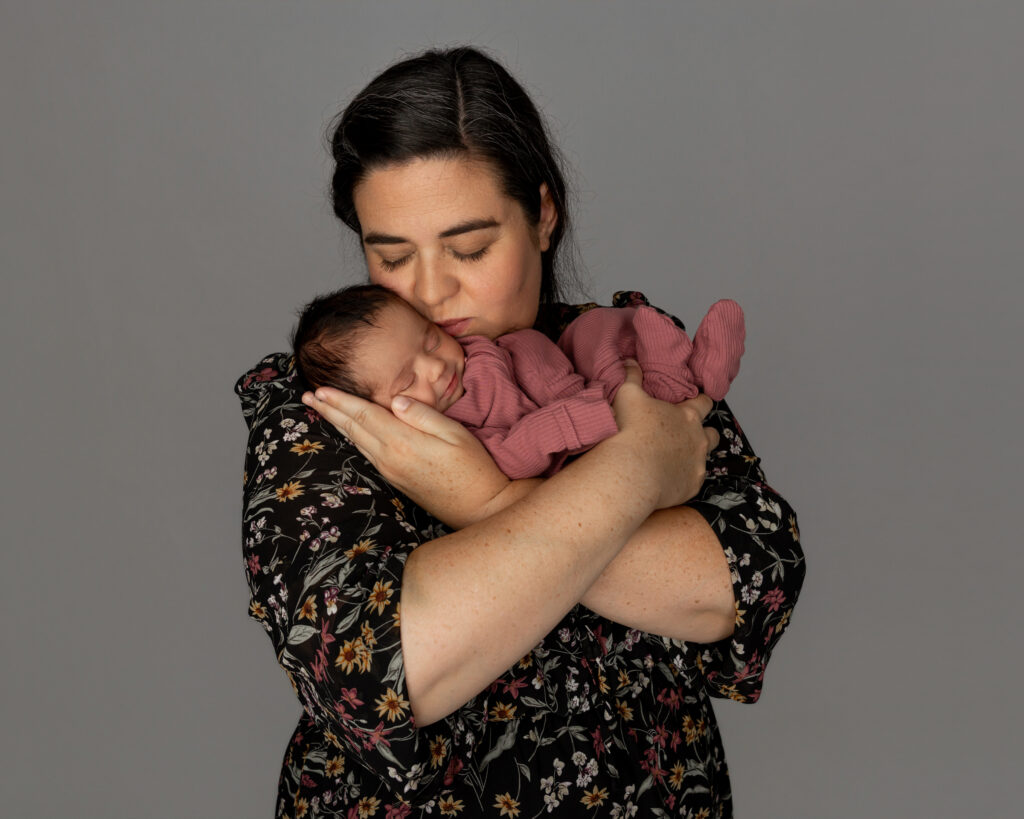
Constant crying can wear anyone down. Deep breaths, short breaks, and asking for help when needed are essential. Staying grounded helps you respond with more calm and clarity.
Local Support Resources for New Parents
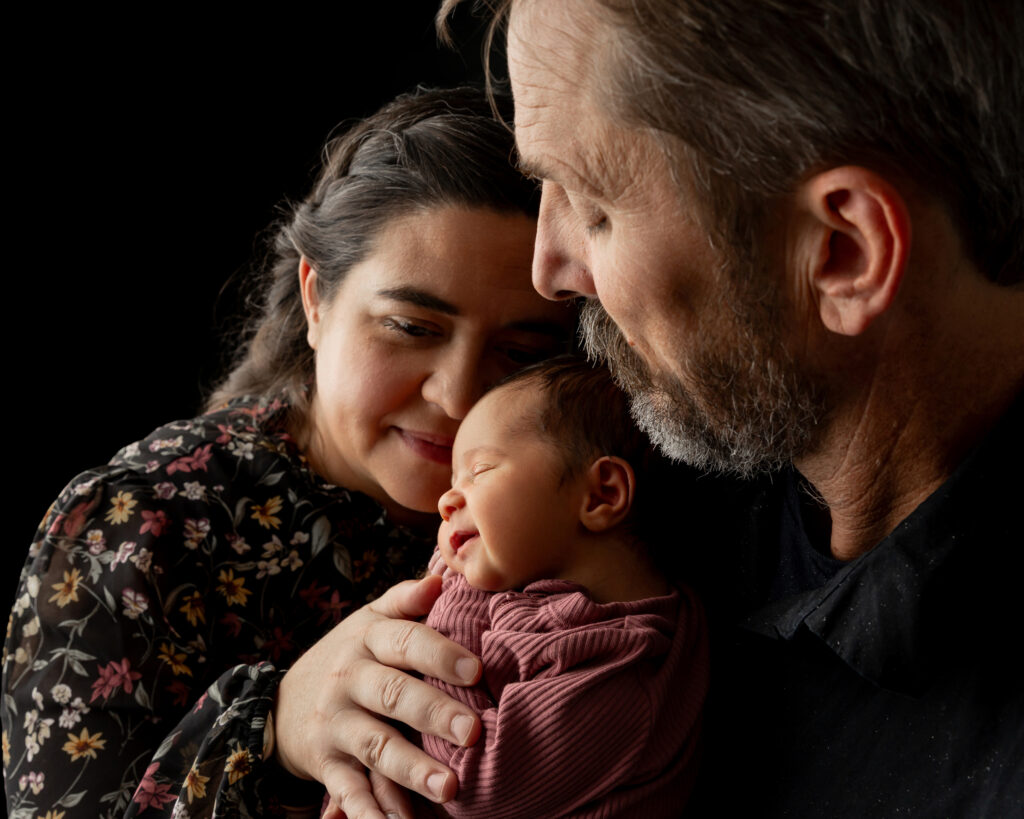
If you ever feel overwhelmed or simply want more guidance, these trusted resources offer support for new parents:
- Postpartum Support International (PSI) – Offers helplines, online groups, and local support for postpartum emotional health. https://www.postpartum.net
- La Leche League International – Provides breastfeeding guidance, local meetings, and real-time support from trained leaders. https://www.llli.org
- CALM Baby Class – Children’s Hospital Los Angeles – Evidence-based classes focused on newborn soothing techniques. https://www.chla.org/events/calm-baby-class
- First 5 California – Resources, videos, and support for parents with children ages 0–5. https://www.first5california.com
- Inland Empire Health Plan (IEHP) – Maternal & Child Support – Programs for IEHP members including newborn care, breastfeeding help, and family resources. https://iehp.org/en/members/plans-programs/maternal-health
These links are reliable, parent-vetted, and offer practical guidance for families navigating the newborn stage.
Learning your baby’s language takes time, but you’ll get there. With patience, presence, and practice, you’ll soon understand what each cry means.
Click to learn more about my Inland Empire Newborn Photography!
Click to read OTHER RELATED BLOG POST